
No, our Sun will never explode into a supernova, though we won’t be around anymore to experience the death of our star.
The Sun isn’t massive enough to explode into a supernova. For this to happen, a star needs to be at least 8 times greater in mass than our Sun.
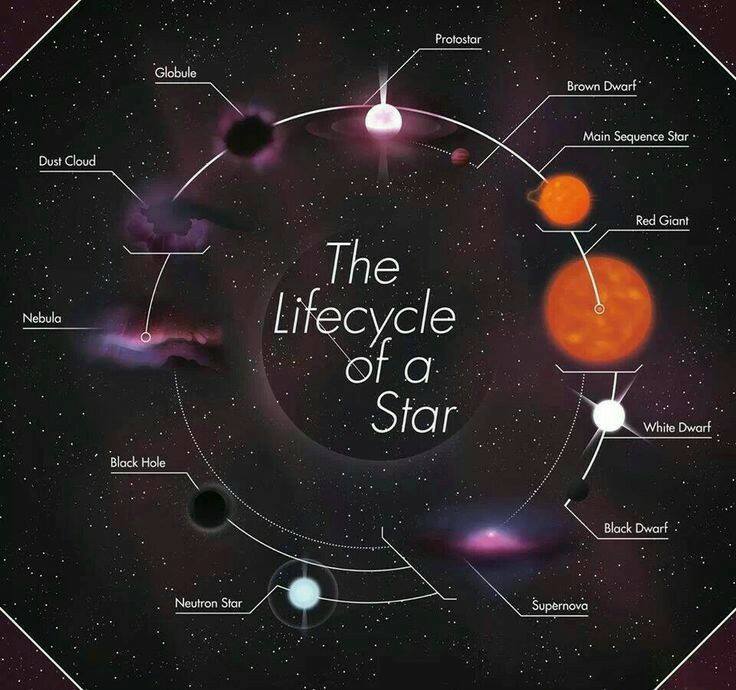
Our 4.6 billion years old yellow dwarf (the Sun) is going through its most stable stage of its life cycle right now, as a main-sequence star. However, this will only last for another 5 billion years. The Sun is slowly burning through its hydrogen fuel, by fusing the hydrogen atoms into helium. Throughout its main-sequence stage, our Sun gradually becomes brighter and hotter (by 1% every 100 million years), because of the pressure of its outer layers on the core that becomes denser due to helium gas being denser. Once the hydrogen gas in the core is exhausted, the star will bring hydrogen from its outer layers near the core, like a shell. At this point, our Sun will begin to bloat into a Red Giant, engulfing the inner terrestrial planets Mercury and Venus (possibly even Earth). This is great news for Jupiter’s icy moons, not so good for our planet.
The Red Giant stage will last for around 100 million years. During this stage, helium will start to fuse into carbon, collapsing the core and the layers around it into a White Dwarf, a star corpse so dense that carbon is turned to diamond. The outer layers of the Red Giant will be ejected into space forming a planetary nebula.
The image below shows a variation of life cycles for most known stars, including our own. – Roman Alexander
(The question was originally asked by Navindra Roopnarine from Trinidad and Tobago)
 ASTROPEEPS.COM
Leave a comment